
Who Taught Us What Love Was Supposed to Look Like?
Love is often spoken about as though it has one universal shape: one person, one path, one definition of commitment. But in therapy, I often hear a far more complex question sitting quietly underneath relationship conflict, desire, jealousy and uncertainty:
“Is this what I truly want, or is this what I was taught love should look like?”
This blog explores the psychology of love, monogamy, attachment, relational conditioning and the deeply human struggle of separating inherited beliefs from authentic desire. Because perhaps the most confronting part of love is not learning how to love another person, but questioning whether the version of love we were given still belongs to us.

The Moment I Said It Out Loud
Coming out is often seen as a single moment, but in reality, it’s a process that begins long before anything is said out loud. It starts in the quiet moments, where you begin to notice parts of yourself that don’t quite fit the world around you, and in the subtle ways you learn to hide them.
For many, the fear isn’t just about being judged. It’s about what being seen might cost like relationships, belonging, safety. And so, we adapt. We mask. We become versions of ourselves that feel more acceptable, even if they feel less true.
What often gets overlooked is that the hardest part isn’t saying it out loud. It’s the internal work that comes before it, the process of sitting with who you are, challenging the beliefs you’ve absorbed, and learning to see yourself as worthy of love and acceptance.
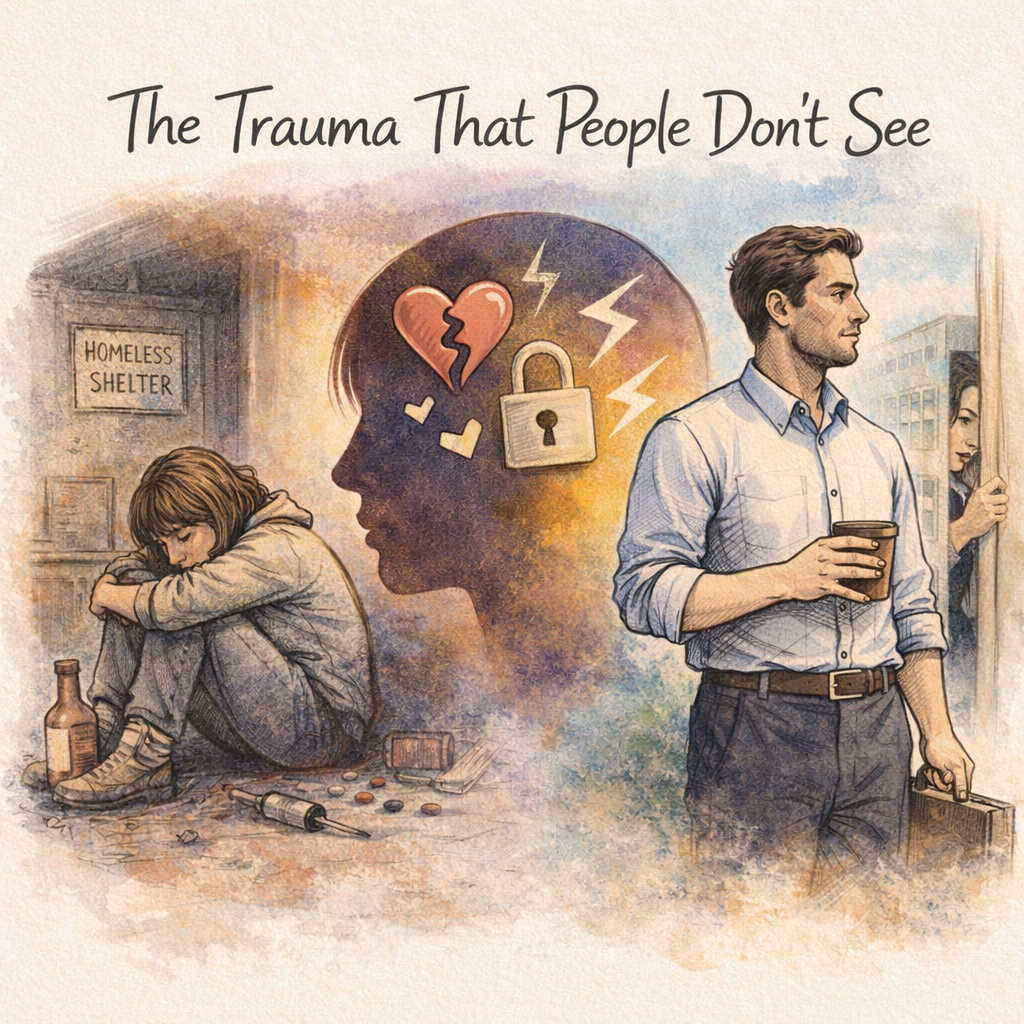
The Trauma That People Don’t See
Trauma does not create one type of survivor it creates many different ways of surviving. Some struggles are visible, others are carried quietly. This blog explores the hidden realities of trauma, PTSD, and complex trauma, and why the impact often goes unseen.
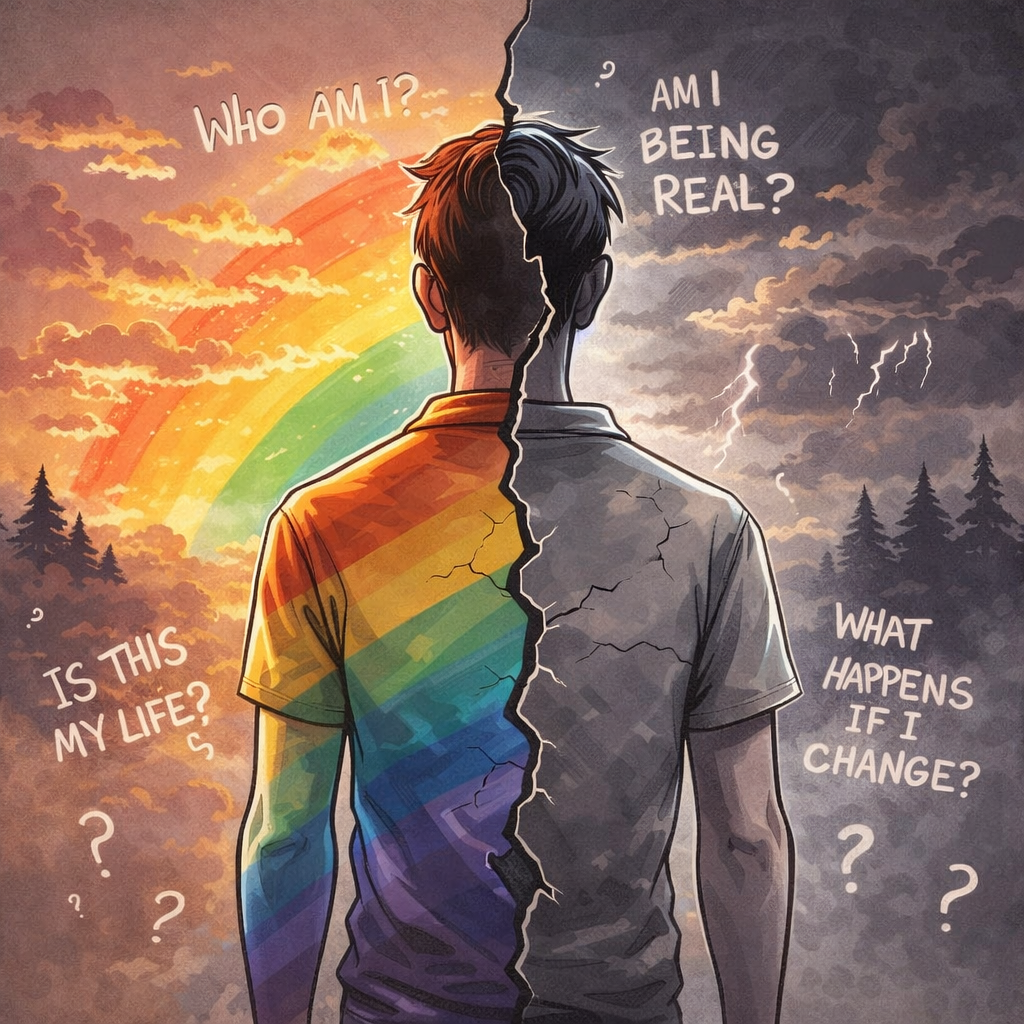
When the Life You Built No Longer Fits: Understanding Identity Crises at Any Age
Identity crises are often associated with adolescence or midlife, but in reality they can occur at any stage of life. Sometimes they emerge after years of repressing parts of ourselves. Other times they follow major life events that disrupt the roles we once relied on.
This article explores why identity crises happen, how they affect both LGBTQIA+ and heterosexual individuals, and the reflective questions that can help people reconnect with their authentic selves.

The Things We Don’t Say to Our Partners
Most arguments in relationships aren’t really about the dishes, the phone, or the tone. They’re about something much quieter.
They’re about the sentence we almost say…and then don’t.
“I’m scared you’ll stop choosing me.”
“I don’t feel good enough lately.”
“I don’t know how to fix this.”
Whether in heterosexual relationships shaped by gender expectations, or LGBTQIA+ relationships shaped by minority stress and identity history, the fear underneath is often the same: If I show you this vulnerable part of me, will you still love me?
The things we don’t say are usually the very things that would bring us closer.

When Others Judge What They Don’t Understand: Shame, Betrayal, and the Hidden Story of Repair
When Others Judge What They Don’t Understand.
Daniel had discovered the messages six times.
Six separate moments where the man he loved chose strangers on a screen over the intimacy waiting beside him. Each time, Leo apologised. Each time, the guilt was real. And each time, it happened again.
Daniel didn’t want sex for performance, he wanted it for connection. To feel chosen. Wanted. Safe. But most of the time, when he reached for Leo, he was met with distance. Over time, the rejection began to sound like an old wound: you are not enough.
Leo carried trauma of his own - a rape he had never processed. Desire felt safer when it was detached and controlled. Sexting strangers required no vulnerability. But the shame that followed only fuelled the cycle.
By the time Daniel made his own regretful choice, sleeping with an ex after years of feeling invisible, he wasn’t acting from cruelty. He was acting from depletion.
When others heard the story, it became simple: Daniel cheated. Leo was betrayed.
But no one saw the six discoveries. The years of loneliness. The trauma on both sides.
Outsiders saw an ending. They didn’t see the story.
And that is where judgment grows in the space between what happened and what people think happened.
How to Rebuild Trust After Infidelity: A Practical Guide for Couples
Discovering an affair can feel like your reality has been rewritten. The mind searches for answers, the body stays on alert, and the relationship can quickly become organised around fear.
In this essay, I explore infidelity through a psychoanalytic lens, not to excuse it, but to understand it and outline what makes genuine repair possible when both partners are willing to face what’s underneath.